News
January 24, 2024
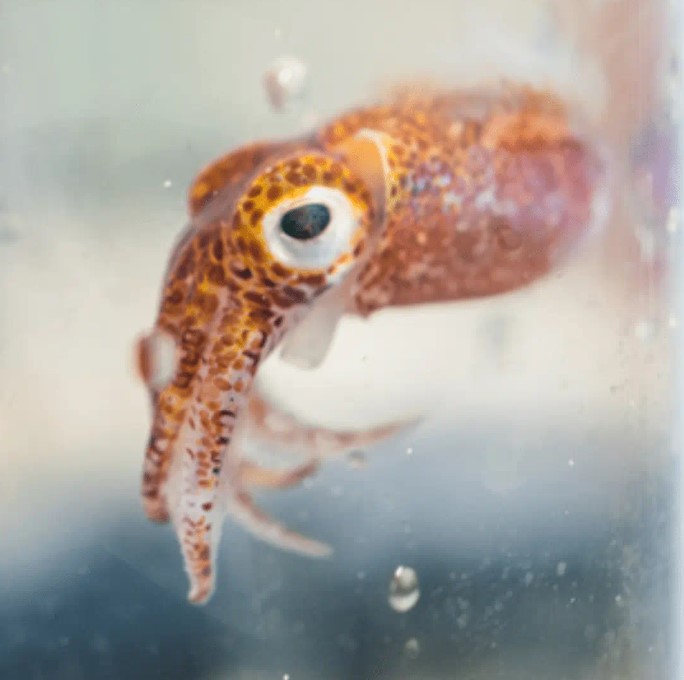
Elizabeth Heath-Heckman, an assistant professor in the College of Natural Science, has received a five-year National Institutes of Health grant from the National Institute for General Medical Sciences totaling $1.9 million to support her research studying the bacteria animals like squid and newts use to protect themselves. This research could provide insights into how humans maintain beneficial bacteria in their gut.
May 23, 2023
Michigan State University microbial ecologist James Tiedje joins the 2023 elite cohort of the American Academy of Arts and Sciences. This year, the Academy elected 269 people across the arts and sciences. With a career spanning more than 50 years, Tiedje’s research contributions and mentoring have fundamentally changed the field of microbial science.
January 15, 2021
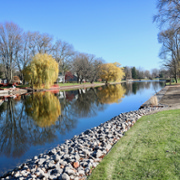
Contaminant runoff from Michigan septic systems, agriculture and industry has caused enough environmental damage in the Saginaw Bay watershed for it to be designated by the U.S. Environmental Protection Agency as an area of concern for the past 30 years. To address this issue, MSU geomicrobiologist Matt Schrenk is leading a 2-year Michigan Sea Grant project that will combine high resolution microbiology and geochemical studies to pinpoint the toxic leaks—a big step toward successful remediation efforts by state and local agencies.